Writing
Meetings With No Agenda Are a Waste of Time
When a meeting has no clear agenda, it rarely delivers value.
Most people have experienced meetings where the purpose is unclear and the discussion drifts without direction. This usually happens because no one defined what the meeting is supposed to achieve. When you schedule a meeting, include a clear objective or a short agenda. Without that, people show up unprepared and the conversation goes nowhere.
Generic titles like “Project Sync” or “Team Catch up” are not enough. A strong agenda provides context, helps participants prepare, and ensures the discussion leads to decisions or next steps.
If participants review the agenda beforehand, the meeting becomes far more effective. They come in with relevant inputs and can contribute meaningfully instead of thinking on the spot.
For the organizer, writing down key points, questions, and goals also improves clarity. It reduces the chance of missing important topics and keeps the discussion focused.
A clear agenda helps in several ways:
- It keeps the conversation structured and on track
- It drives the meeting toward concrete outcomes
- It creates a record of decisions and action items
It also allows people to decide whether they need to attend at all or if they can contribute asynchronously. This alone can save significant time across the team.
Most importantly, it signals respect for everyone's time. It shows that the meeting has a purpose and is not being scheduled casually.
If you are in a position to enforce it, you can take a strict stance and avoid meetings without an agenda altogether.
Until then, make it a habit to include a clear agenda every time you send a meeting invite.
You Can't Fix Everything on Day One
When you enter a new organization, it's normal to feel the need to improve things right away. That instinct is natural, but acting on it too quickly can do more harm than good.
You'll quickly spot processes, tools, and decisions that seem inefficient or outdated. Maybe the team uses tools you wouldn't choose, or follows practices that don't align with your preferences. It's easy to assume these choices are wrong and should be fixed immediately. That assumption is where most people go wrong.
Every organization operates within its own context. What looks like a bad decision from the outside may have been the right decision given the constraints, timing, or trade-offs at that moment.
If you start by criticizing or pushing changes too early, people are unlikely to support you. Even if your ideas are valid, you haven't yet earned the context or trust required to influence change.
Instead, begin by understanding. Ask questions. Learn the reasoning behind decisions. Listen carefully and observe how things actually work in practice.
In the early phase, your priority should be to integrate into the team. Deliver consistent work, build credibility, and establish trust. Once people see you as reliable and thoughtful, they will be far more open to your suggestions.
A simple approach to follow:
- Understand the reasoning before proposing solutions
- Prioritize listening over speaking
- Earn trust before driving change
- Focus on improving one thing at a time
Validate your ideas through small, meaningful improvements. Demonstrate that you understand both the system and its constraints. Over time, this builds the influence needed to drive larger changes.
You won't fix everything on your first day, but you can easily damage trust if you try to.
Reading
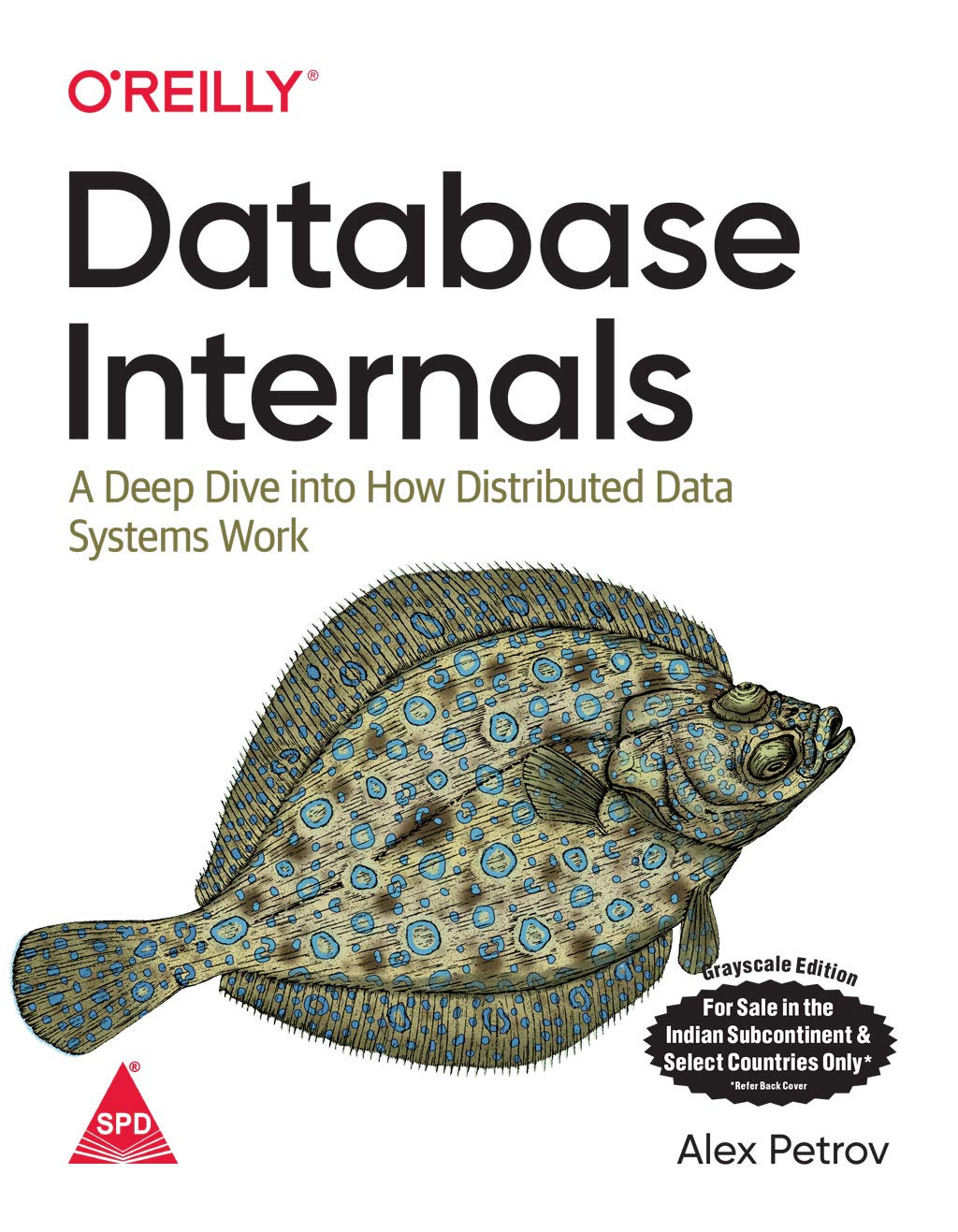
Alex Petrov
A deep dive into how distributed database systems work — storage engines, B-trees, LSM trees, replication, consensus, and everything underneath.

Geir Ove Grønmo
A pragmatic guide to getting the most out of PostgreSQL — covering all the database features you actually need without reaching for extra infrastructure.
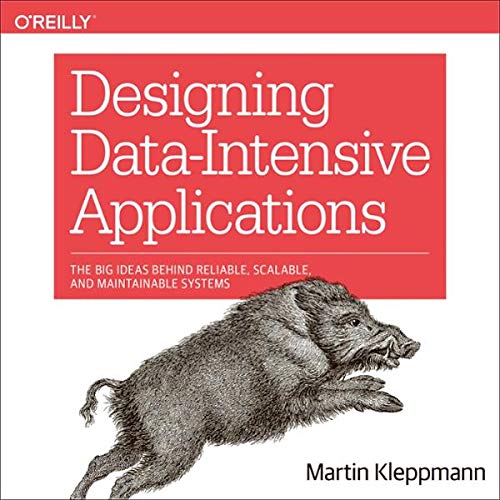
Martin Kleppmann
The definitive guide to building reliable, scalable, and maintainable systems — covering data models, storage engines, distributed systems, consistency, and stream processing.
Photos

Convocation, 2023